A Sci-Fi/MMORPG/Concept Design
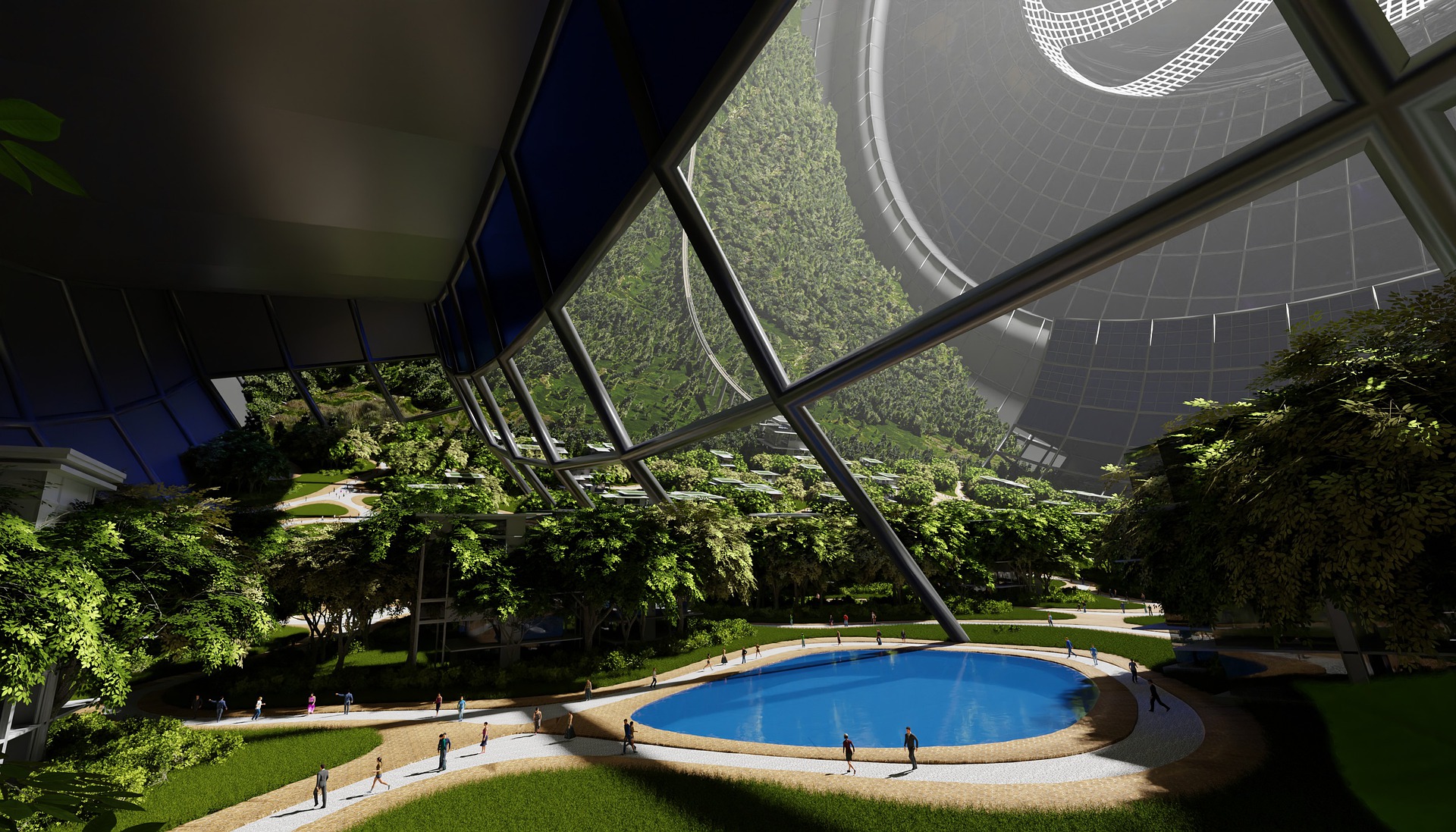
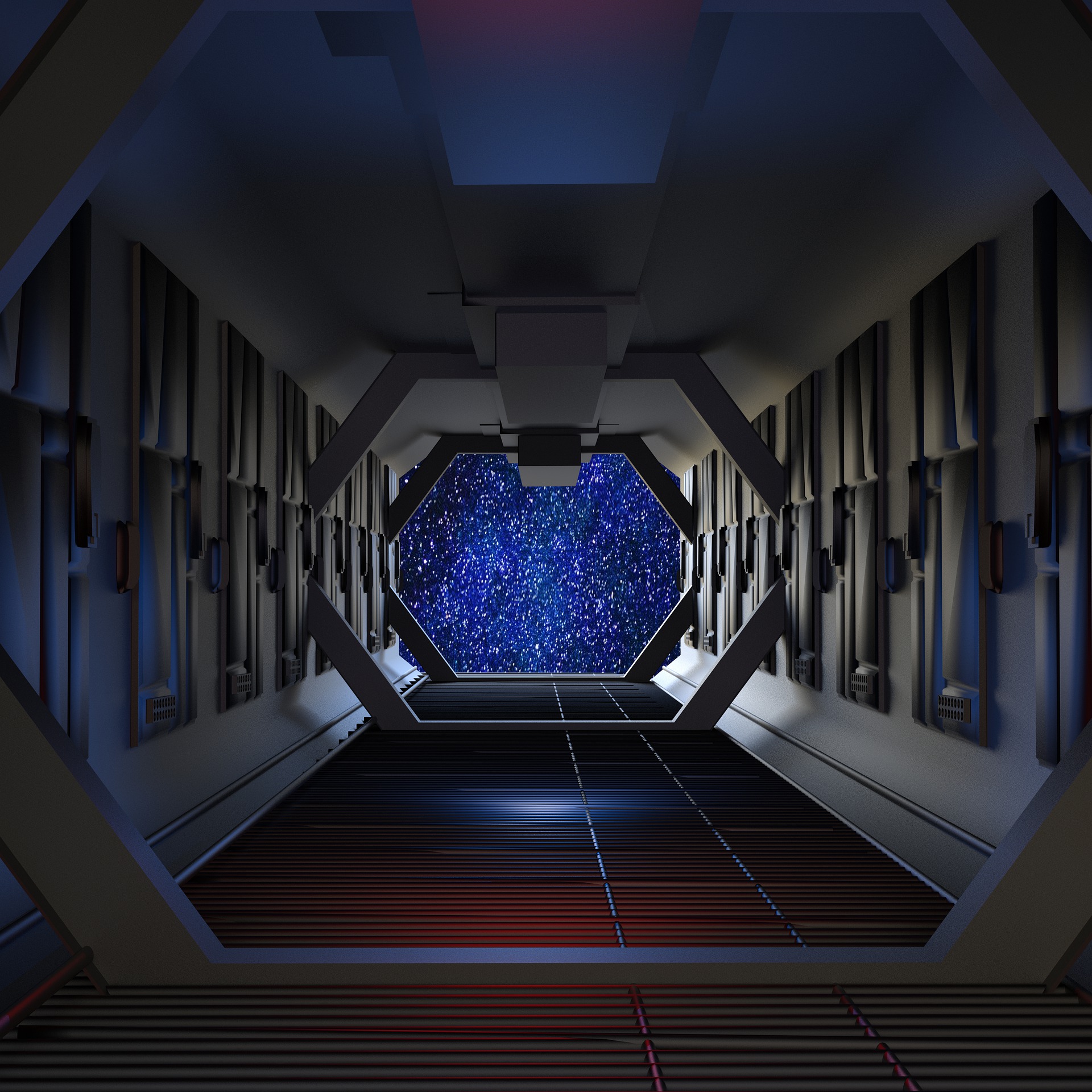
This game is designed for the genre of 'Science Fiction' MMORPG survival realism. While elements of this game include other genres as well, including FPS, and puzzle, thematics of 'Sci-fi' MMORPG are most prevalent. The realism aspect of 'Sci-Fi' stem from pragmatic achievability in technology.
This page is subject to edits. Further content & collation on the way!
Concept CategoriesGame is designed to never have a need of resetting the server progress, while still competitive opportunities exist, new and exciting things implemented when a faction becomes too overpowering, encouraging factions to work together in orderto balance the scores. Diplomats, & Entertainers are able to send video stream of themselves irl to their viewers. Entertainers often receiving in game currency as tips, diplomats gaining more recognition and cooperation by players agreeable to the presentations.
Diplomats & Entertainers also have the option of streaming only the character during a broadcast. If a player wishes to send broadcast other than Diplomat or Entertainer, that player must do so as character by standing within view of Diplomat & Entertainer's broadcast camera in game.
The planet of origin is known as the origin of all three factions within the galaxy. In Early Days factions can receive resupply by the Planet of Origin, & can return cargo from scientific finds in exchange for credits (increased funding). As technology tree progresses through mid-late days, factions can unlock the ability to utilize the Planet of Origin as an additional trading station with various attached stipulations altering progress. Alternatively factions can decide not to interact with planet of origin with various stipulations altering progress.
All factions have recently landed on their planets, very few vehicles in space to accomodate their new societies. Number of planets available for spawning coincide with number of peak max players ever recorded. The planets which become abandoned, their equipment of early colonists decay but still salvagable. After maxTimeVacant has been reached the player which has left can no longer return to the same spawn point.
Remaining colonists of the planet have a choice to salvage and repair their colony equipment/society, or attempt to contact a nearby colony for rescue. Any faction can land and salvage equipment on abandoned planets. No extra planets are intended to be added at this stage in the game.
Societies have evolved their structures significantly. Depending on the choices made by each faction council, their society will have adapted technology, culture, and way of life extending to - orbital security, space-born manufacturing, asteroid mining, & the beginnings of terraforming.
For instance, a large asteroid simulation is on a collision course for Mars. Diplomats have designed positions, asteroidTechniques (dependent on societal technolog available),
for players to eliminate the threat. If the projectile task force simulation is a failure, and coordinating with a planetary task force simulation on standby, data transmissions and other
assistance within limits are performed by orbiting simulation players to hand off the threat simulation to ground task force.

Of the same category as technology tree, other faction trees include: Economic Tree, Science Tree, Core Tree (Government/Diplomat Core), Combatative Tree (not ents), & Cultural Tree.
Technology Tree
This technology tree pertains to the technology available to one of three specified factions, each having its own technology tree.
Technology tree decisions are performed by the governing 'Core' of a faction.
Governing Cores can include the following methods: (1) An assembly of Core Diplomats, (2) AI Core Diplomat, (3) AI assisted democracy, (4) A single core diplomat, (5) An indestructable artifact-based controller, (6) An assembly of Diplomat Council.
Default Starting Technology Categories
Planetary Entry & Launch Systems 1
Space Probes 1
Space Suit 1
Planetary Farming 1
Robotics 1
Artificial Intelligence 1
Combatative 1
Communication 1
Atmospheric Spacecraft 1
Orbital Spacecraft 1
Space Stations 1
Rovers 1
Telescopes 1
Chemical Detection 1
Planetary Mining 1
Planetary Construction 1
Lasers 1
Colony Spacecraft 1
Propulsions 1
Tools 1
Cultural Applications 1
Scientific Applications 1
Core Applications 1
Economic Applications 1
Materials Processing 1
Manufacturing 1
Medical Applications 1 (not to be confused with Scientific Tree for Medical 1 or Human Biology 1; medical applications include cooking)
...
Planetary Entry & Launch Systems
Planetary Entry & Launch Systems 1
Landing Systems
Airbag Landing System>
Automated Reusable Rocket Landing System>
Parachute Landing System>
Airfoil & Runway Landing System>
Entry Systems
Max Drag Entry
Automated Guidance Entry
Fly-By Delivery Systems
Orbital Delivery Systems & Receiving
Launch Systems (for non atmospheric planets)
Rocket
Orbital Assist Launch
Launch Systems (for atmospheric planets)
Balloons
Airfoil Piggy-back Assisted Rockets
Planetary Entry & Launch Systems (beyond rank 1)
Landing Systems
GeoEngineered landing systems
Weather controlled landing systems
Elevators
Anti-Gravity
Orbital Assist Teleportation
Gravity Laser Landing System
High Powered Propulsion Systems
Launch Systems
High Powered Propulsion Systems
Projectile Assisted Unoccupied Capsules
Elevators
Anti-Gravity
GeoEngineering
Weather Controlled Launch Systems
Teleportation
Gravity Laser Launch System
Space Probes
Category of space probes:
1) Category 1 Traveling Speed, Category 1 Power Systems, Category 1 Communication Systems, Category 1 Detectors, Category 1 Mobility, Category 1 Interaction.
Space Probes 1
Fly-by probes (Category 1)
Orbital probes (Category 1)
Landing probes (Category 1)
As all Space Probes 1 technology are available by default, unlocks include:
Landing probe L-Model 1: A landing probe with a mechanical track enabling limited mobility across traversable planetary terrain. Capable of sample analysis and drilling.
Landing probe L-Model 2: An airborne landing probe that only lands for recharging power systems. Mobility is higher than other models with the drawback of increased power usage. Works best in atmospheric environments. Capable of large area reconnaisance of terrain.
Landing probe L-Model 3: A walking probe outfitted with four extremities granting enabling an increase terrain capabilities when compared to Model 1. A balance between Models 1 & 2 in terms of power consumption vs mobility. Capable of cave exploration and some sample analysis.
Space Probes 2
Fly-by probes (Category 2)
Orbital probes (Category 2)
Landing probes (Category 2)
Probe Reconnaisance Outpost Contructors (Category 1)
Space Probes 2 unlocks include:
Outpost Constructor OC-Model 1: This model design maintains a presence of reconnaisance through the construction of some Recon Probe Outposts Category 1. Speed of construction is slow, and a low success rate in tough terrain. If successful, the outpost becomes a service and recharging station of compatible probes in the area. Power systems onboard make up for its low mobility. If this model becomes abandoned or fails at its task, a future salvaging mission can find that salvagability of its material and success of a salvage operation is high. This probe is highly expensive.
Outpost Constructor OC-Model 2: Can construct some Recon Probe Outposts Category 1. Mobility is high at the cost of high power consumption. Can navigate difficult terrain but not easily, and perform construction task relatively fast. If probe fails at its mission it most likely happened due to lack of power consumption or while in rough terrain. Salvagability is low, a salvaging mission might not find useful material remaining if this probe fails during its mission. This probe is highly expensive.
Outpost Constructor OC-Model 3: Model 3 is enables diplomats and engineers to assist combatative forces within the faction. Can construct some Recon Probe Outpost Category 2. This probe, while at its heart dosile and vulnerable, can set up a probe station with compatibility for early stage combatative probes at a reduced cost in comparison to combatative outpost constructor probe models. Few non-combatative probes are compatible the Outposts this construction can build.
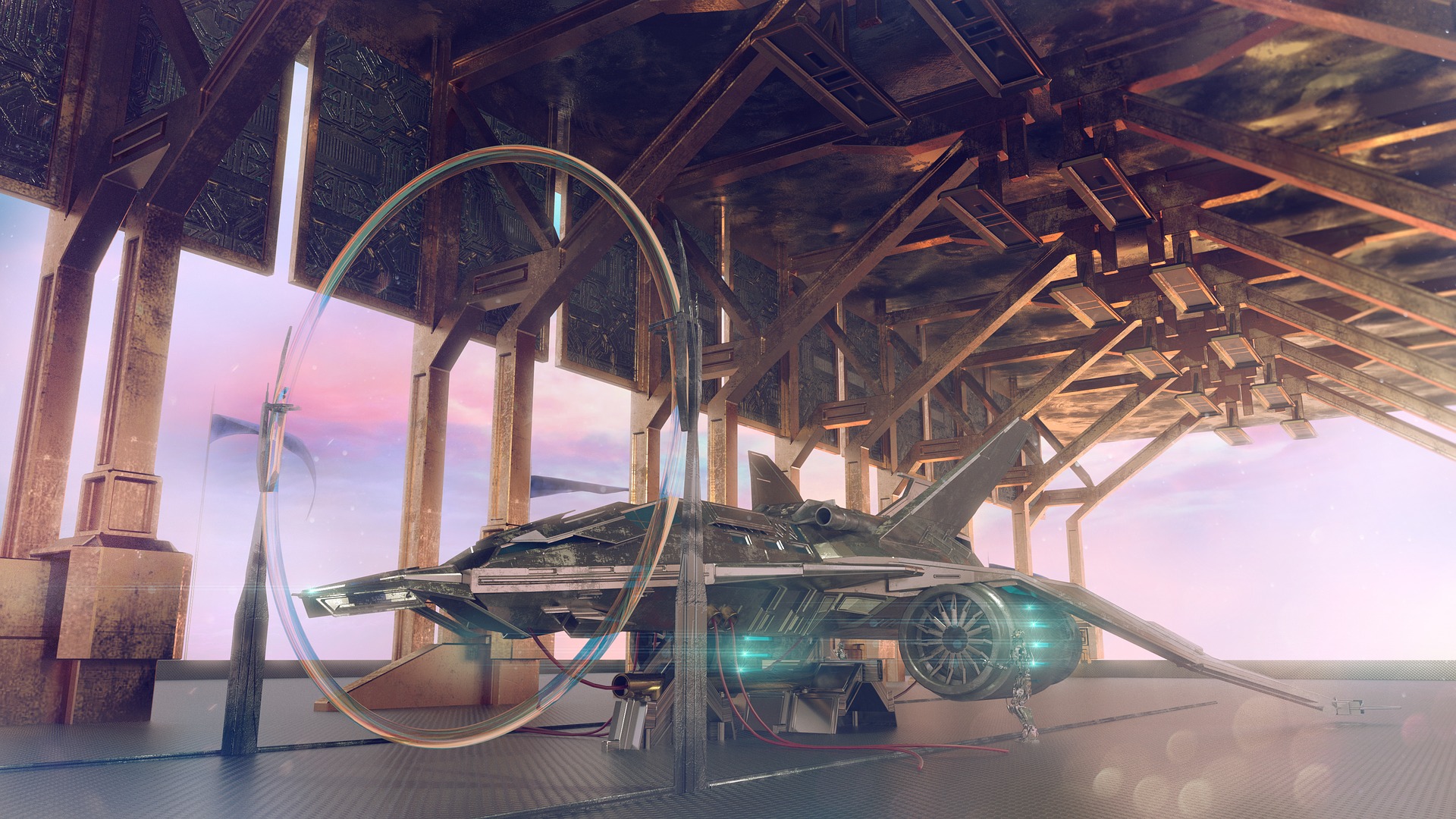
Alternatively this game can be scaled for genres including a hybrid 'Sci-Fi Fantasy'. For example, if base game is modified to include such fictional elements that enable implementation of Fantasy concepts. Such a game can include a 'Time Travel Device' or 'Inter-Dimensional' portal enabling factional integration of fantasy concepts from historic fictional lore. For instance, barbaric aliens, time traveling wizards, a necrotic medieval army, a plague from the past, and more can be implemented to alter the game in fancifully creative and fictional concepts which our minds occasionally yearn for.